

News
Edge computing: FiberCop brings data processing closer to those who use it

The latest episode of "Arianna, ogni innovazione nasce da una connessione", the podcast exploring the link between technology and everyday life, is now online. This time, the focus is on a technology that brings data processing closer to the places where data is generated and used: edge computing.
A shorter journey for data
Traditionally, the data we generate online is sent to large, distant data centres: it reaches these facilities to be processed and then travels back. In most cases, this happens in an instant, but for some services even a fraction of a second can make a difference. Edge computing addresses this very need: it brings processing closer to the point where data is generated and used, close to homes, businesses and cities.
Over a hundred edge data centres across Italy
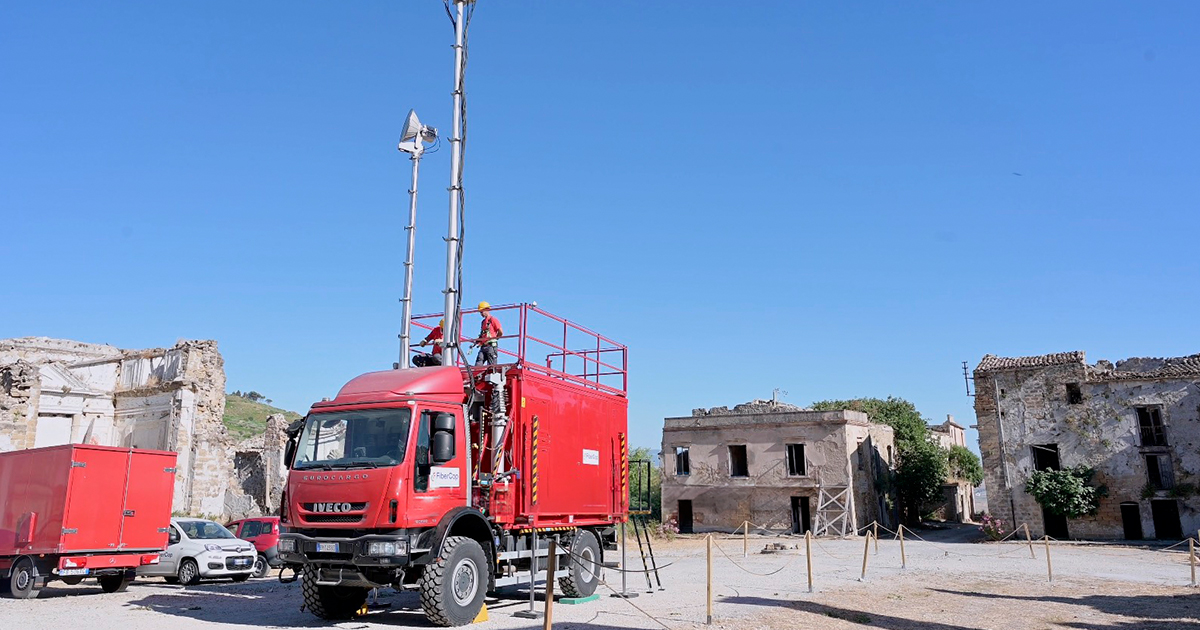
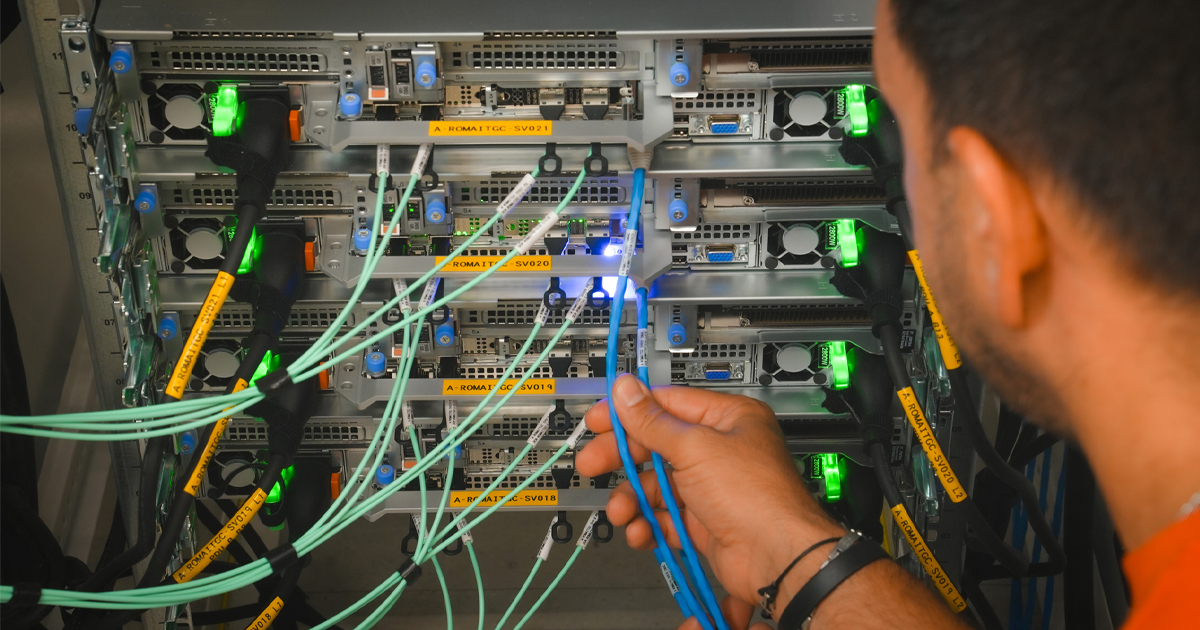
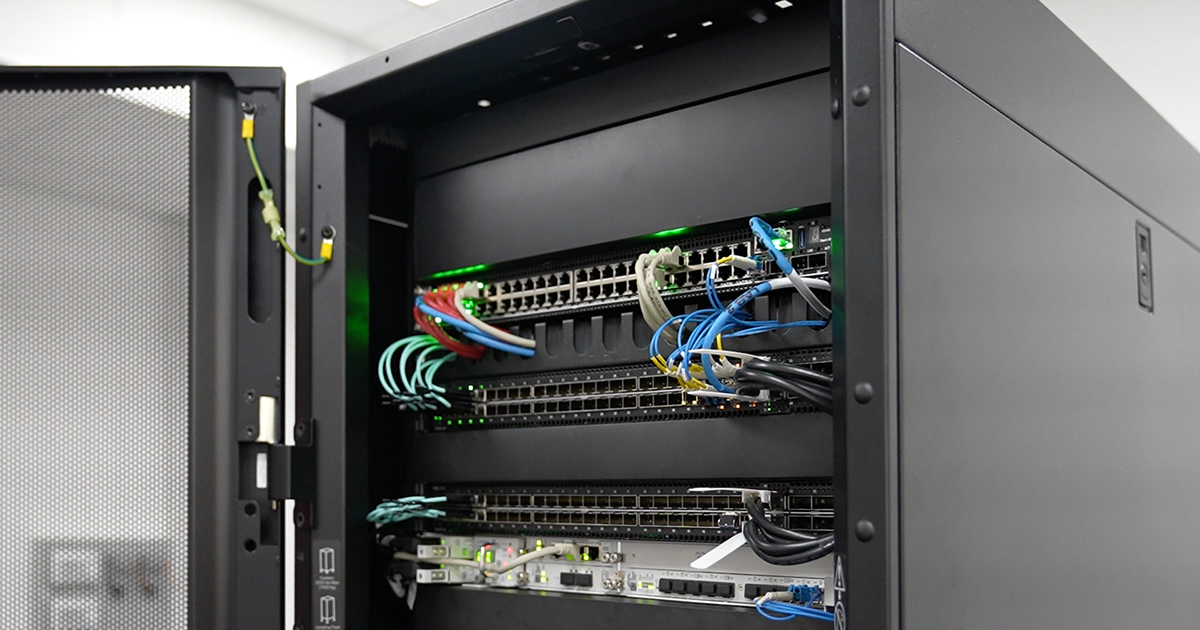
FiberCop starts with a tangible advantage: an extensive network of telephone exchanges already present throughout the country, in and near cities. These are ideal locations to host this computing capacity. The project launched by the company aims to transform some of these facilities into a network of over a hundred edge data centres distributed across Italy: the same facilities that have provided connectivity for years could also become places where data is processed, not just transported.
The benefits for businesses, cities and artificial intelligence
Bringing computing closer changes many things. For a business, it means a production line capable of responding in real time; for a municipality, it means services such as traffic or lighting managed more quickly; for everyone, it means faster and more reliable digital performance.
Data processed locally can remain under greater control, a valuable consideration for sensitive information in healthcare or public administration. The geographical distribution of edge computing also helps improve the reliability and resilience of services, supporting their continuity even in the event of localised faults or problems.
The advantage is even more evident with artificial intelligence: in tests conducted by FiberCop, response times ranged from one to five milliseconds, demonstrating the potential of this technology for AI applications capable of responding quickly, right where the information is generated.
Finally, there is a less visible benefit: reusing existing exchanges and processing data close to where it is generated can reduce backbone traffic and transmission-related energy consumption, contributing to a more sustainable digital infrastructure.
Not going further, but staying closer: sometimes this is the right path.
Ask for Information
If you would like to receive further information, fill in the form and you will be contacted by our team.